

01
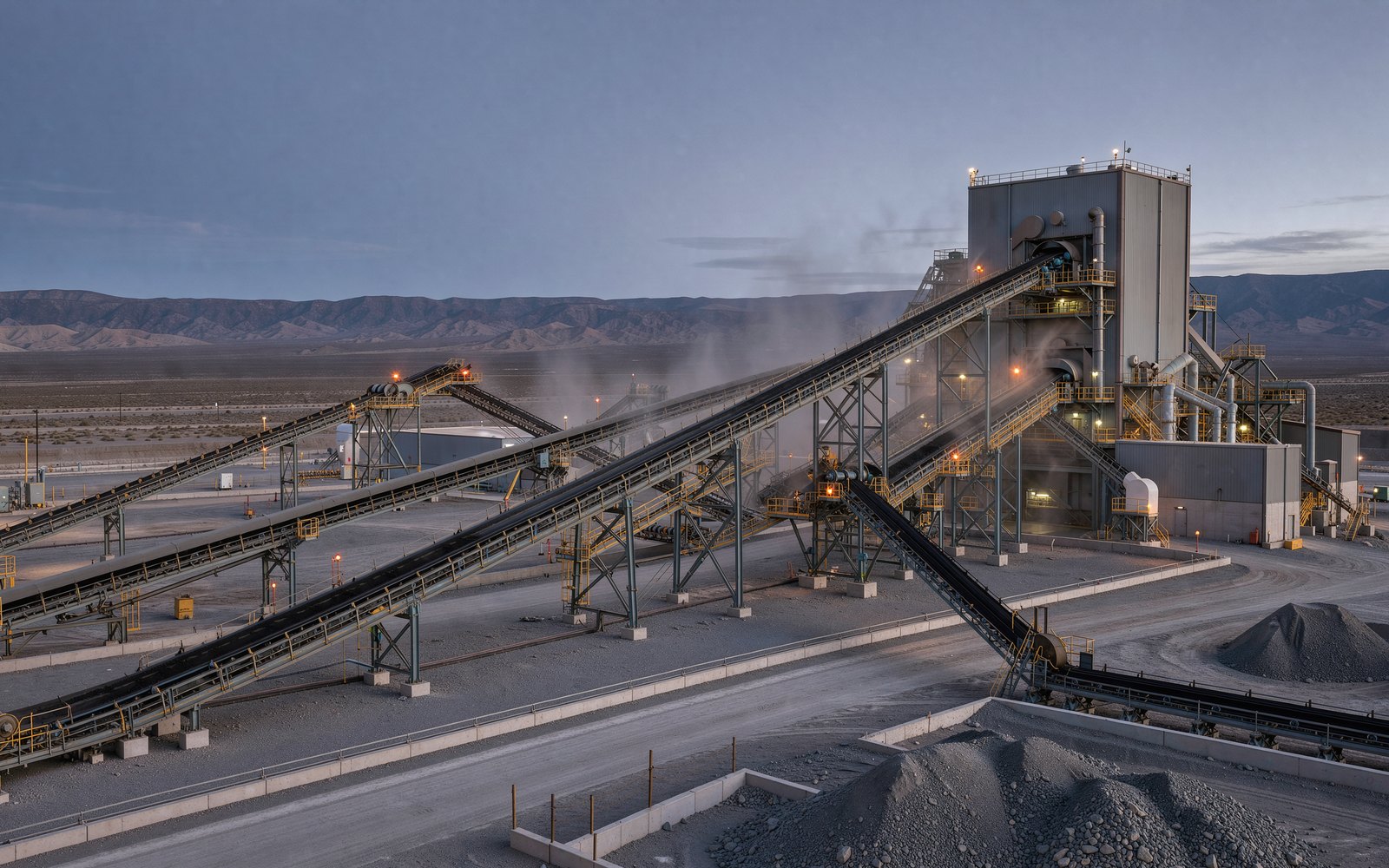
Mining
Remote operations centers hundreds of kilometers away, contractors, and the concentrator's DCS.
I design IEC 62443 defenses for mines, power plants, oil and gas facilities, ports and water utilities. Then I review them thinking like a hacker, so you find the gaps before anyone else does. All without stopping production.
ZoneOT Lens shows your OT network the way IEC 62443 sees it: zones, conduits and the traffic between them. When something crosses where it shouldn't, Lens AI tells you what happened, why it matters and what to check, in plain language, on your own server.
Firewall logs, flows and SNMPv3, read-only. No agents on your PLCs and no scans that can stop the plant.
Every alert names the zone and conduit it breaks, with the SL-T in view. The view your auditor asks for.
A local model explains each alert and cites the logs it used. It answers only from your network's data: no internet, no cloud, and it never changes a thing.
Office cybersecurity doesn't transfer to a control room. There, uptime and human safety come first. These are the problems I run into most.
Scans that crash a PLC, patches with no maintenance window, accounts that lock out in the middle of a shift.
Neither the regulation nor the audit gives you a plan. The standard does, once it's mapped to your plant.
Unapproved remote access is the conduit attackers use most.
You don't have to replace it tomorrow. You have to wrap it in documented compensating countermeasures.
Each service is anchored to a specific part of IEC 62443, so you know what you're getting. So does your auditor.
Where you stand against the standard and what to do first, in a phased plan your plant can actually carry out.
62443-2-1 · 3-3Your industrial network architecture, with every zone and every path between them justified by risk.
62443-3-2 · ZCR 3Real scenarios from your process, consequences in plant language, and the SL-T for each zone.
62443-3-2 · ZCR 2-6Penetration testing by an OSCP who knows the plant floor: no scans that crash equipment, always within an agreed window.
62443-3-3 · SR 5For operators, maintenance and engineering, in Spanish or English, with examples from your own industry.
62443-2-1 · peopleI get you ready for the audit: evidence in place, gaps closed, and a team that understands what it's signing.
62443-2-4 · 4-1 · 4-2Twelve industries, one standard. Every sector has its weak conduit, and I know where it is before I arrive.
Remote operations centers hundreds of kilometers away, contractors, and the concentrator's DCS.
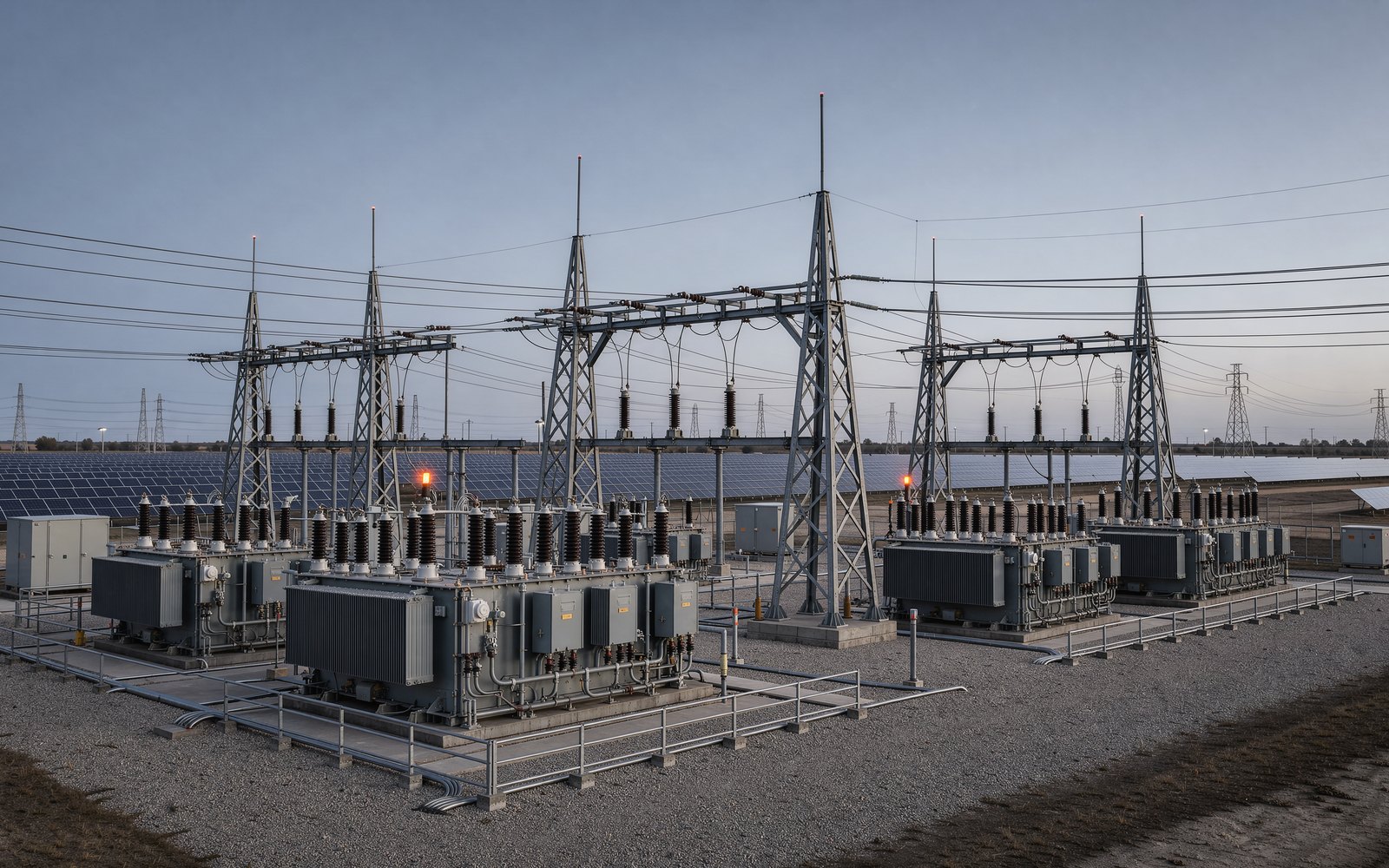
Substations, solar farms and batteries, with several vendors connecting remotely.
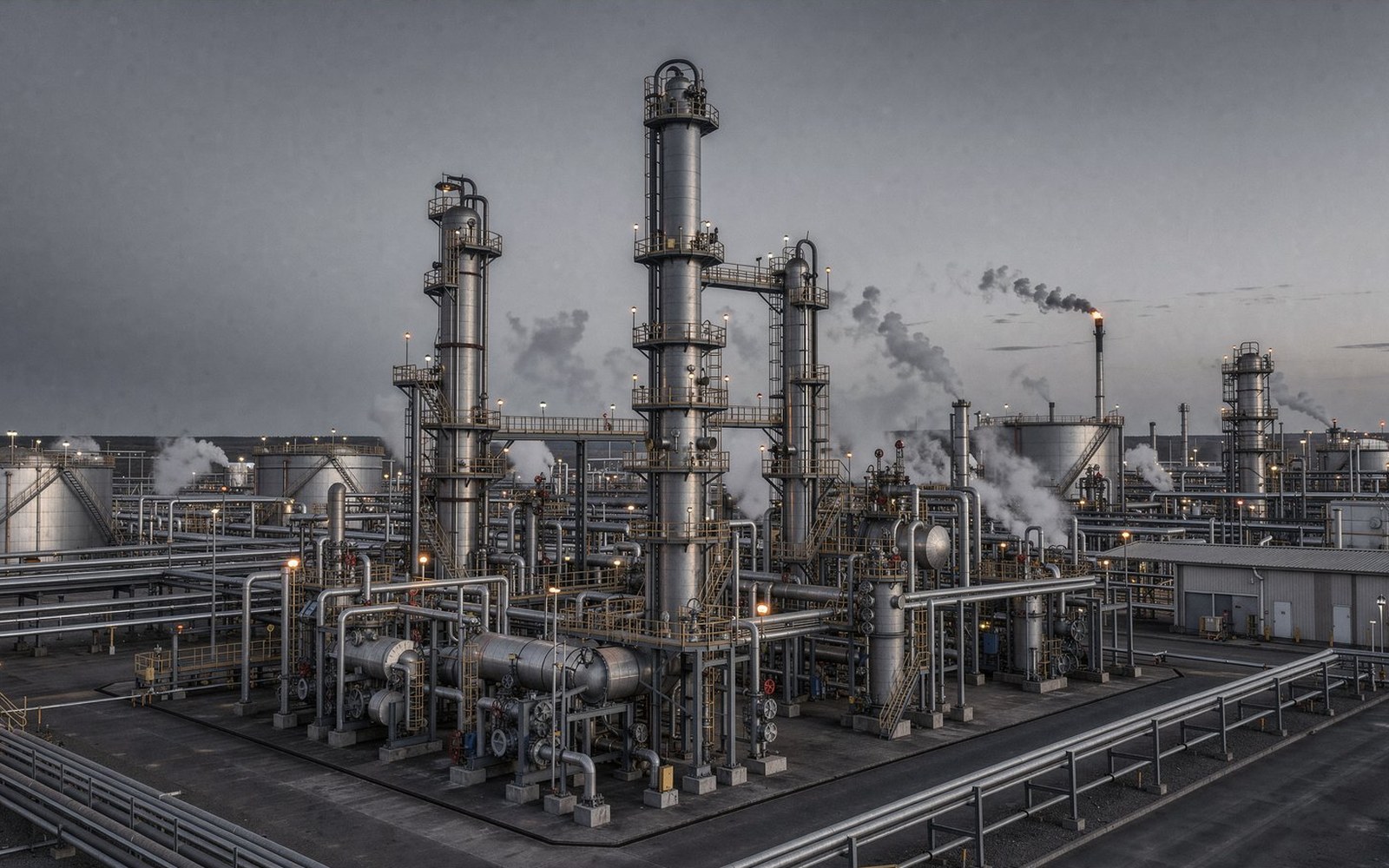
Safety instrumented systems next to the DCS, and pipelines with RTUs hundreds of kilometers away.
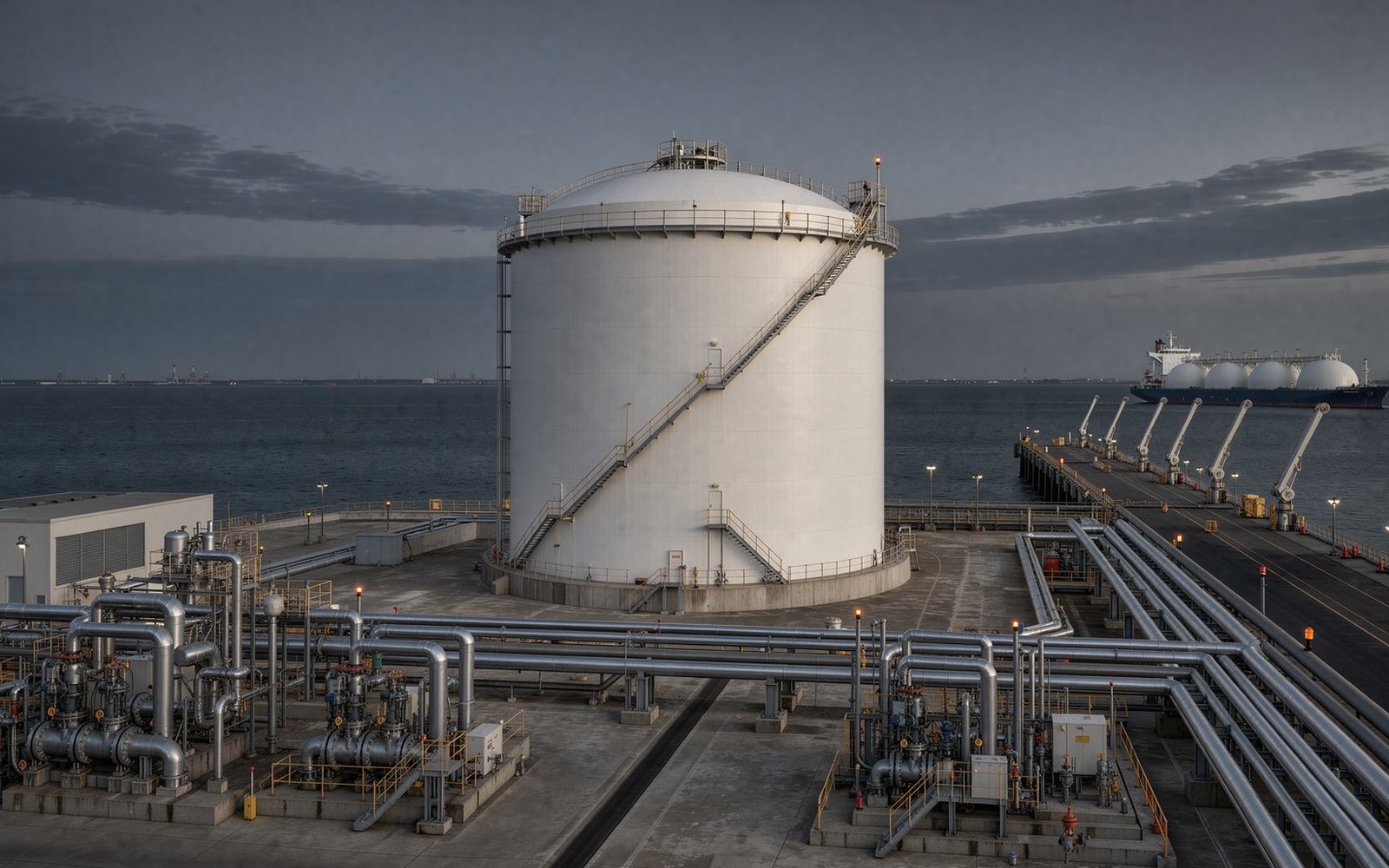
LNG terminals, gas pipelines and unmanned regulating stations run by telemetry.
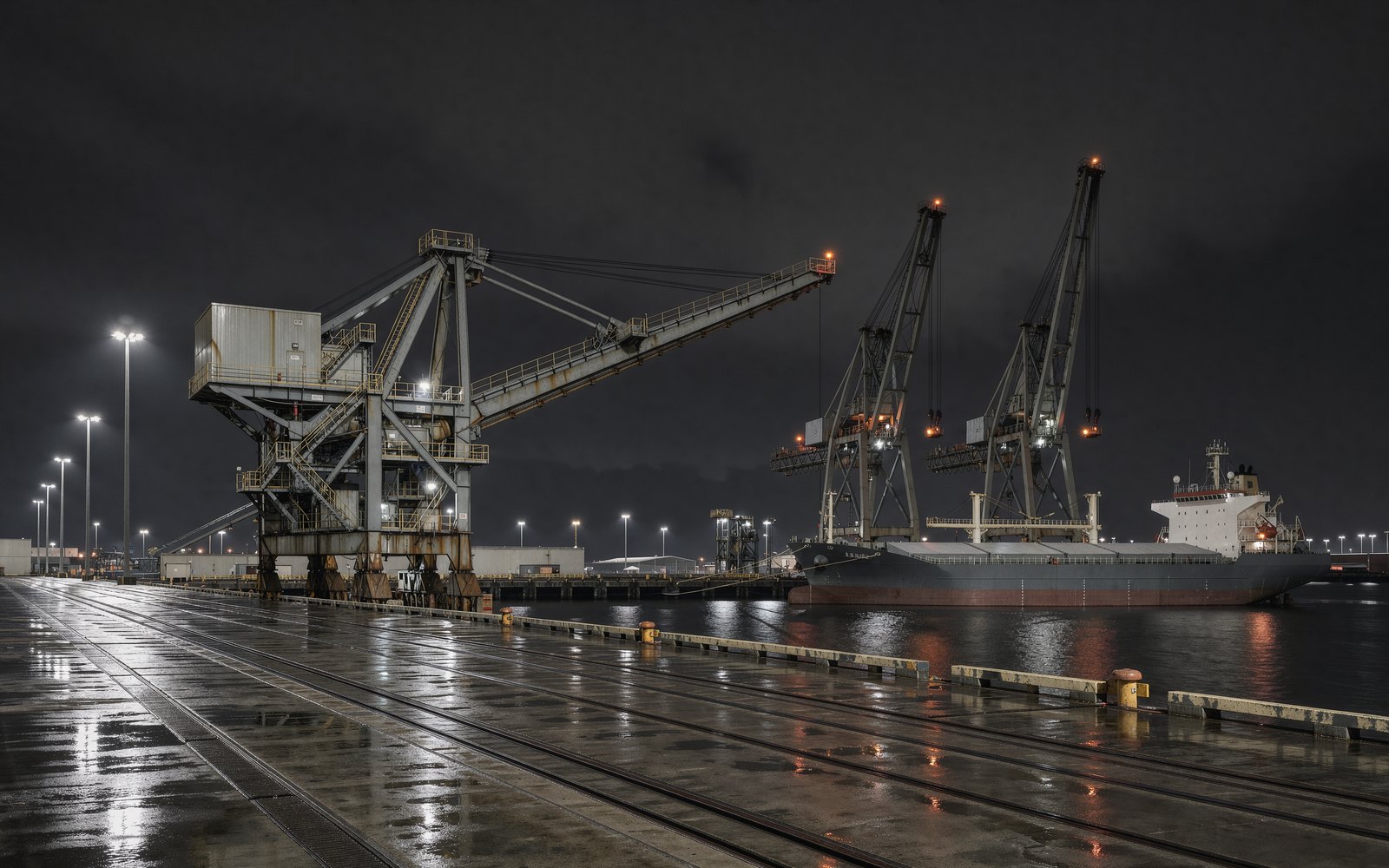
Cranes, ship loaders and the terminal system, often on a flat network.
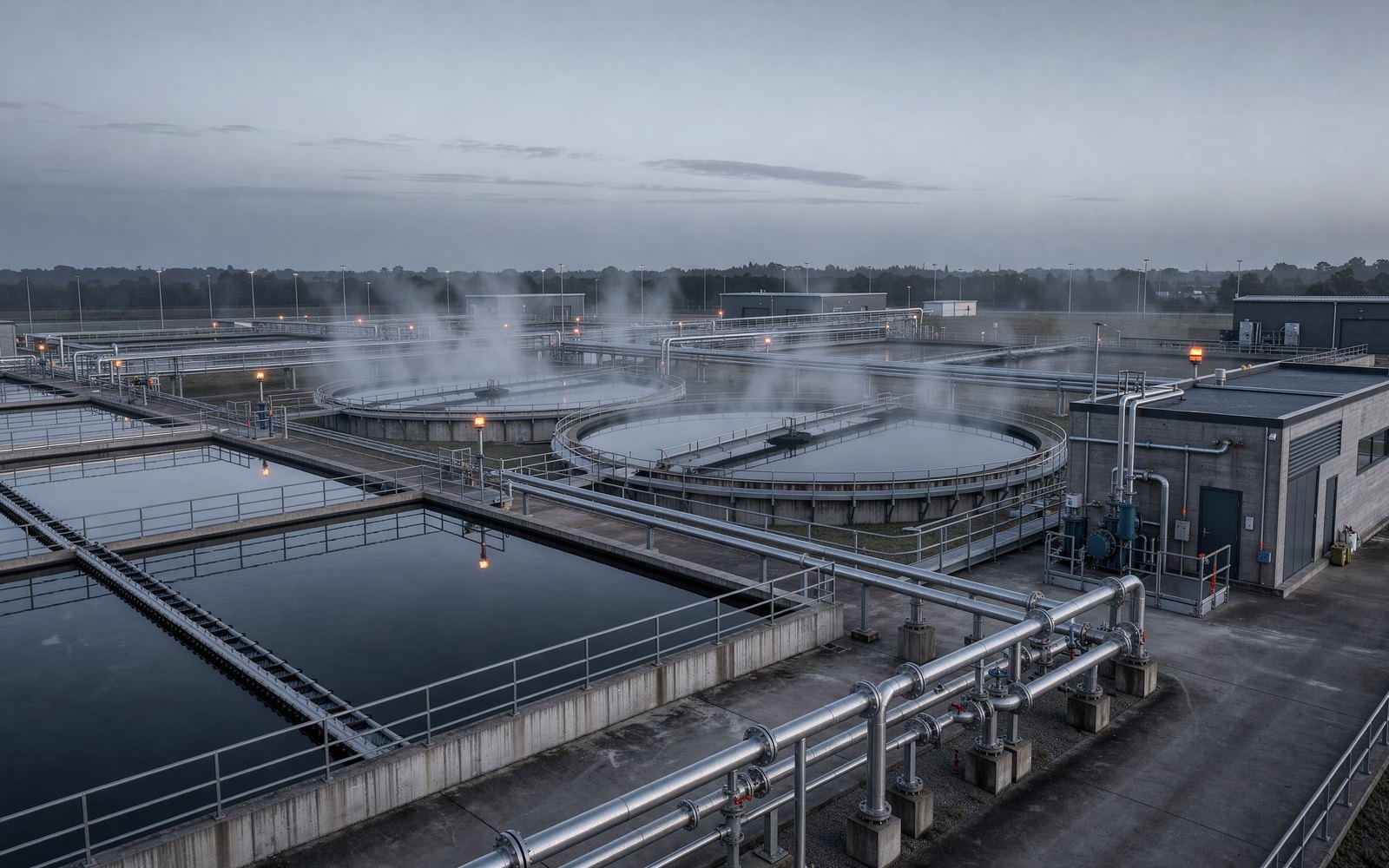
Desalination plants and remote pumping stations on cellular links, with exposed control screens.
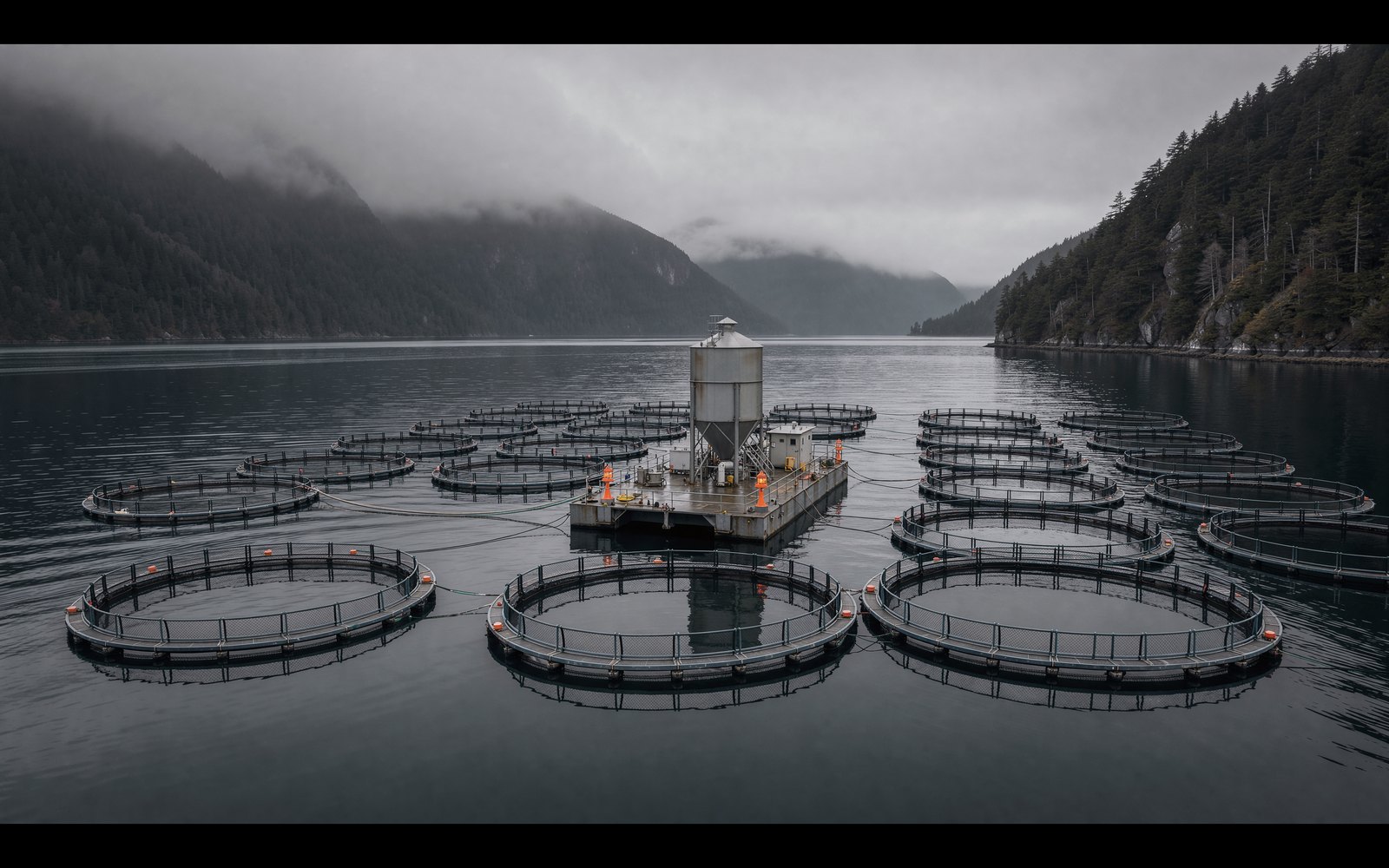
Farming sites with automated feeding, cameras and sensors that go out over satellite or 4G.
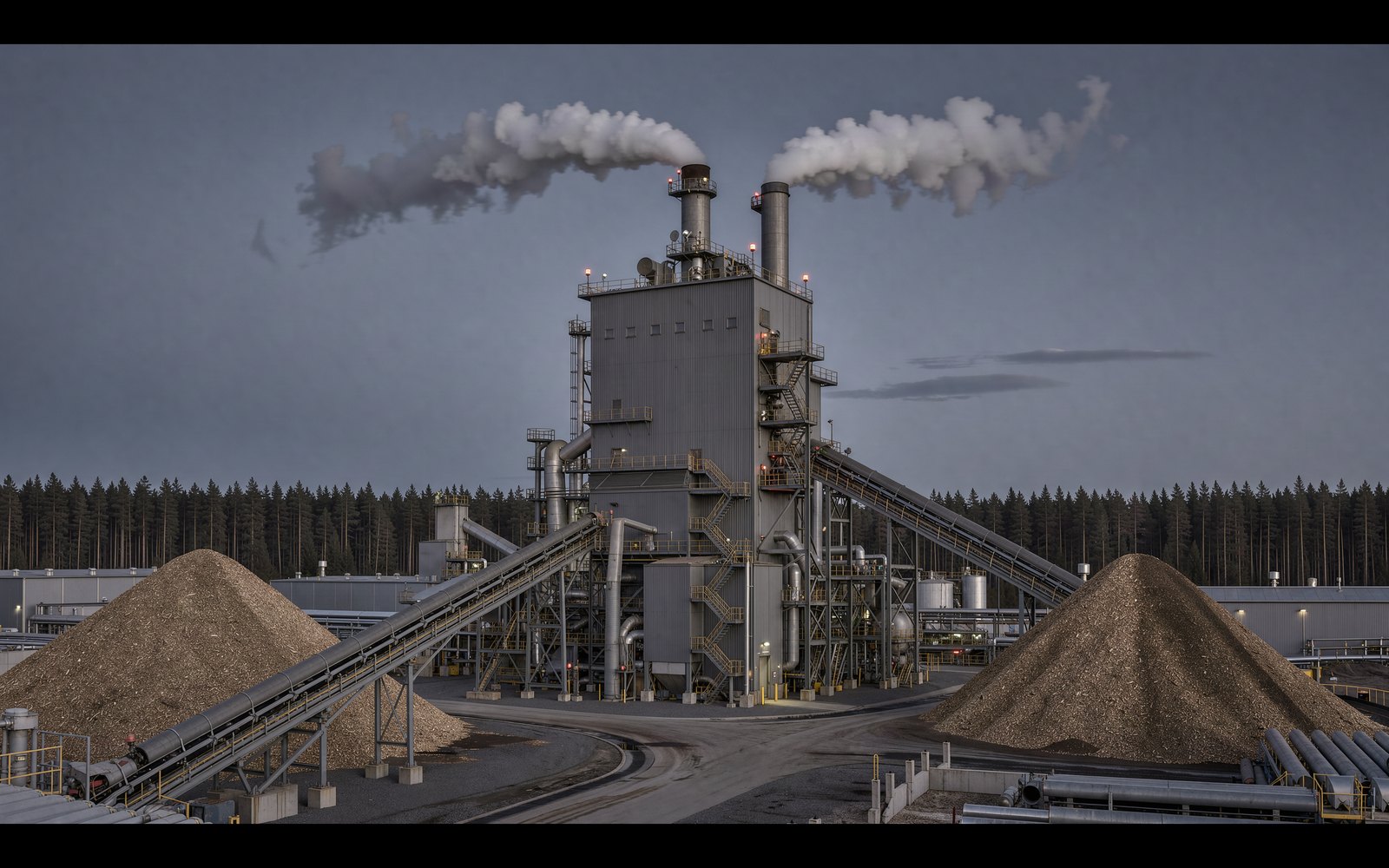
Continuous processes with DCS and recovery boilers: every shutdown costs days of production.
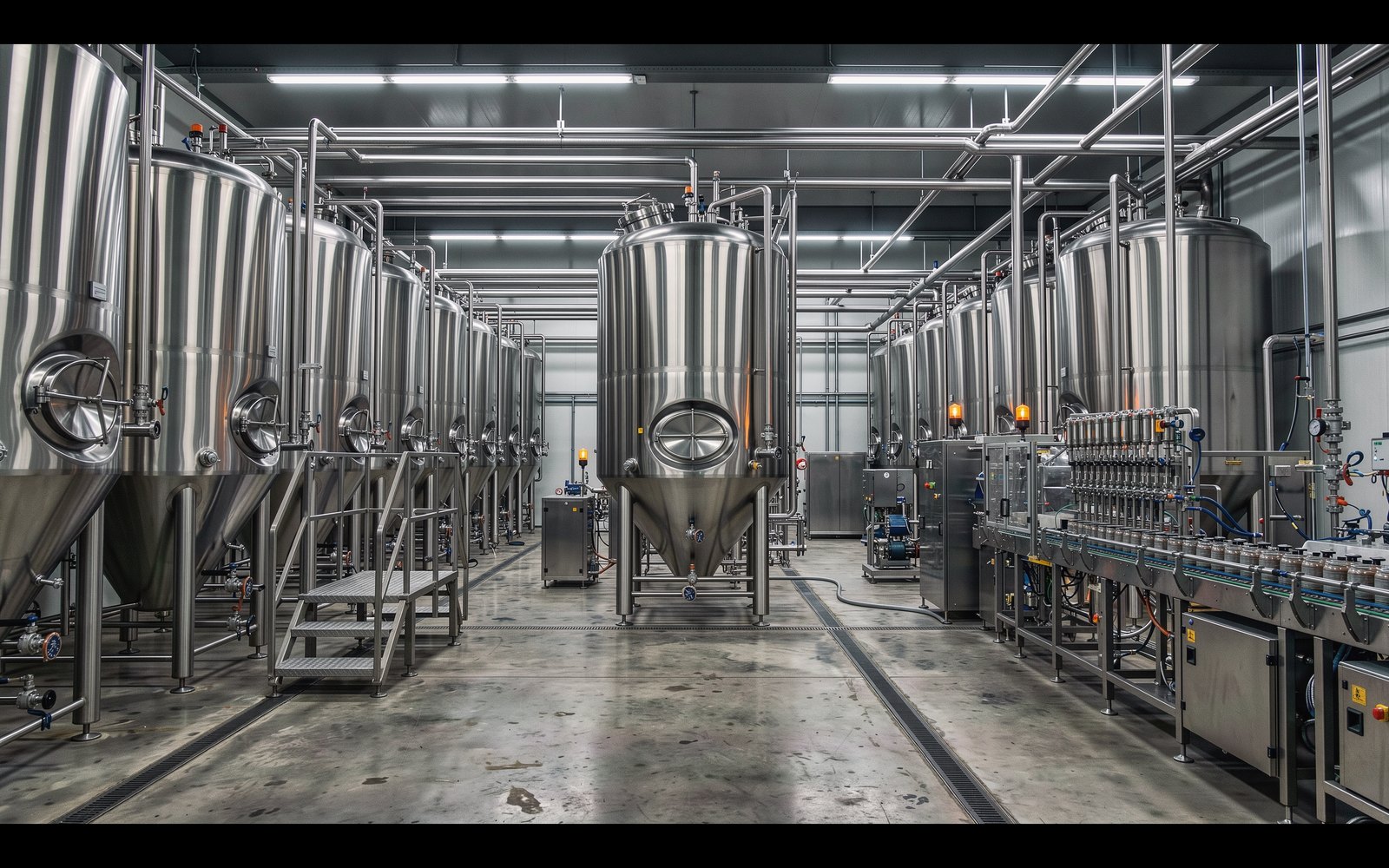
Packing houses, cold storage, wineries and dairies: the line and the cold chain depend on PLCs tied to the office network.
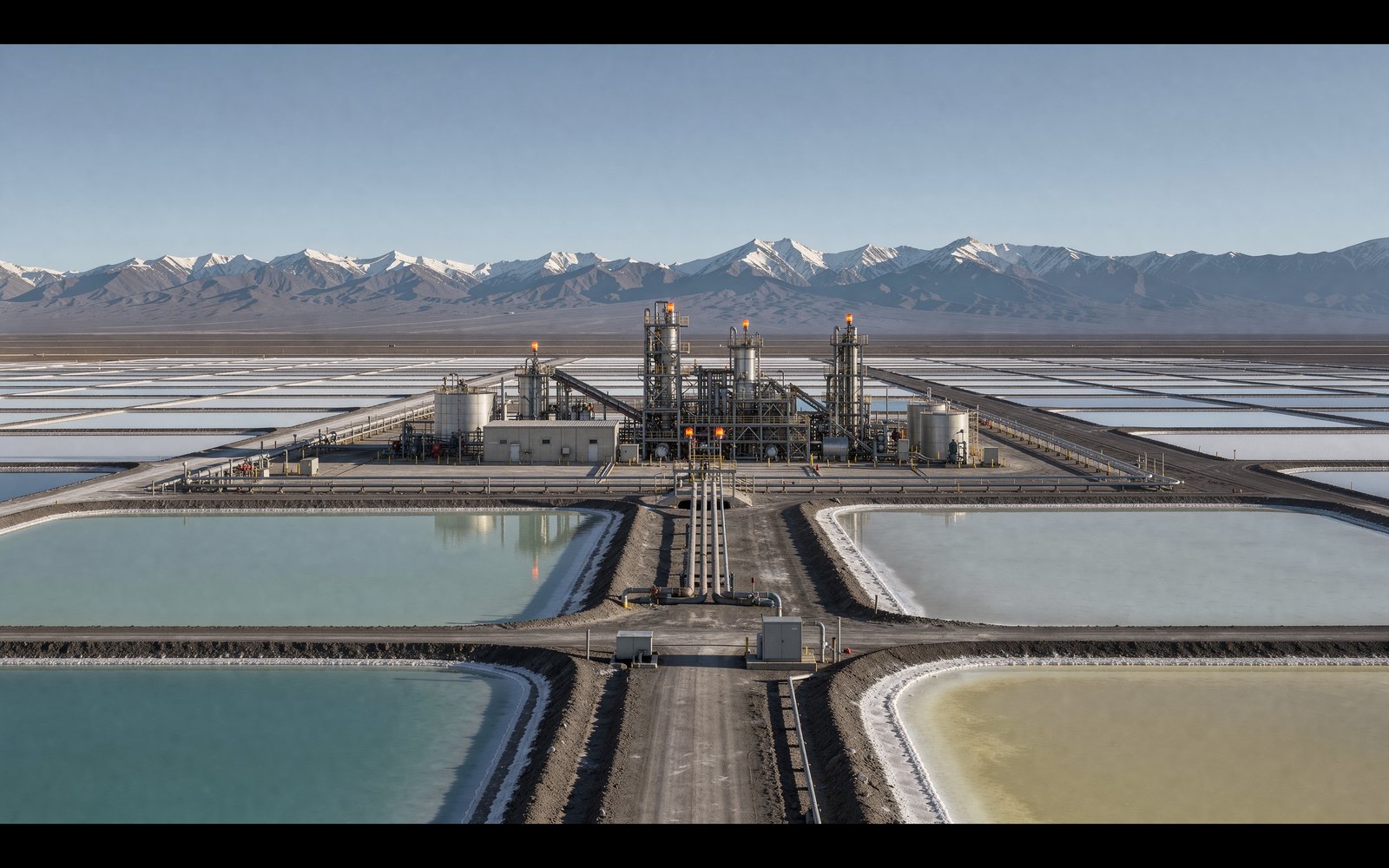
Salt flats, chemical plants and new electrolyzers: zones and conduits designed right from day one.
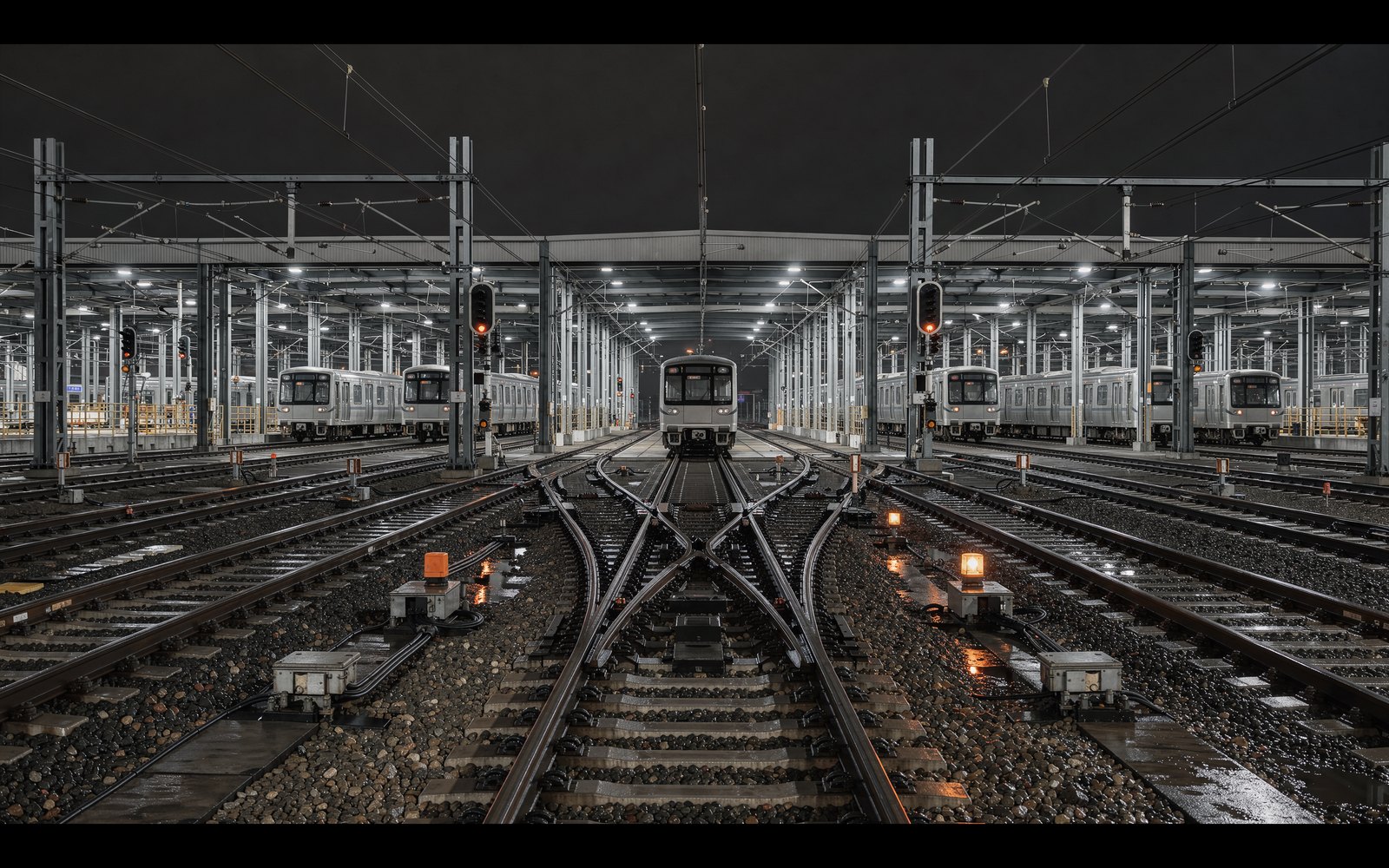
Signaling, traction power and train control with decades of service life, and vendors who come in to maintain it.
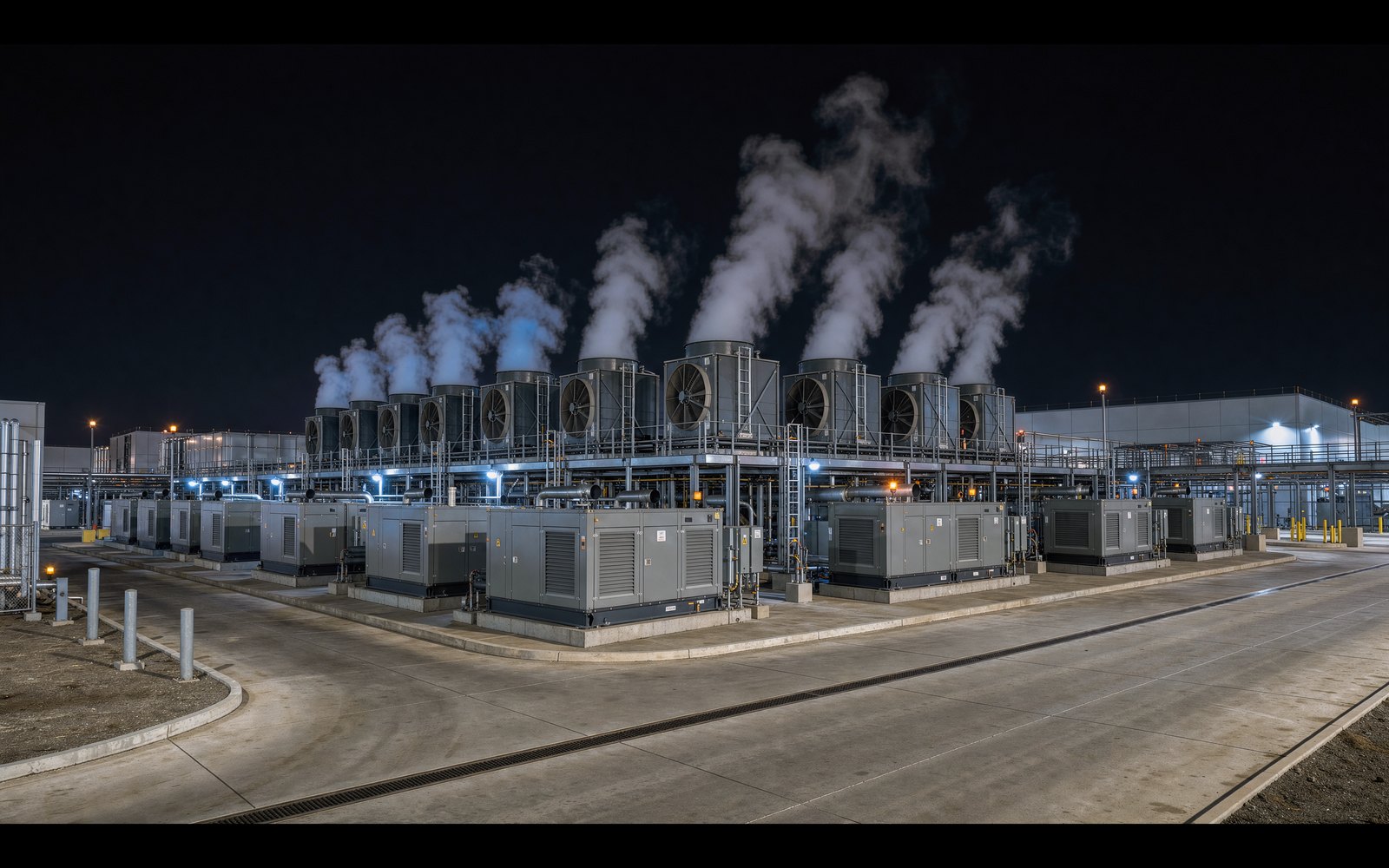
Cooling, power and UPS run by BMS and PLCs: if the cooling goes down, so does the service.
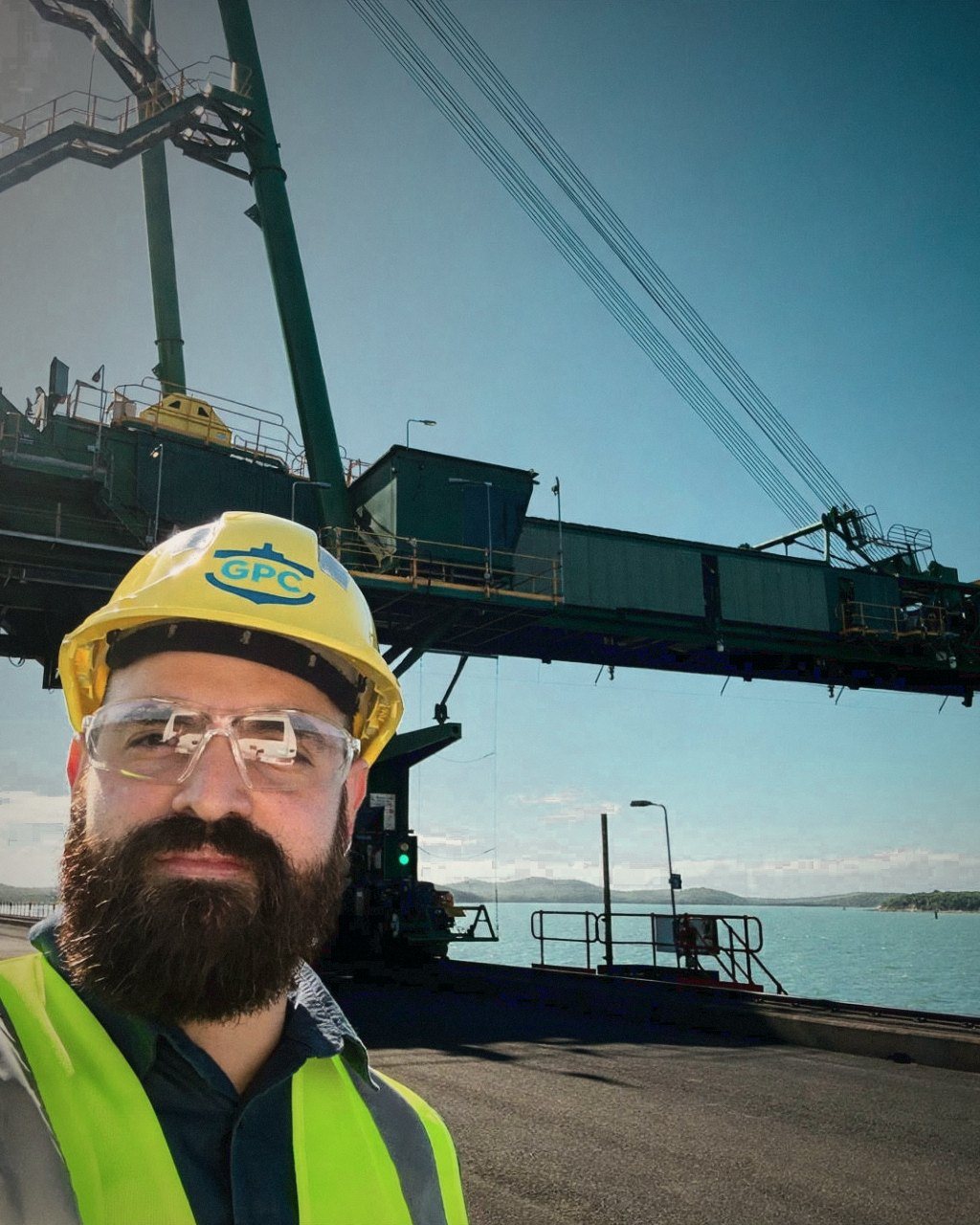
I'm Francisco. I've spent more than 15 years in networks and cybersecurity, running real infrastructure. I hold the OSCP, a hands-on certification that proves I can see a network through a hacker's eyes, and I'm certified in ISA/IEC 62443. I work on site, at ports and mine sites, where theory meets a real PLC.
I founded ZoneOT to bring that craft to industrial plants: the standard in one hand, a hacker's mindset in the other, and every finding explained in plain language.
In OT, uptime rules. Security can't stop the plant.ZoneOT design principle
Seven questions your plant should be able to answer, and four levels based on who might attack you.
What has to be protected (IEC 62443-3-3).
Who each zone is protected against.
A 30-minute conversation about your operation. You'll walk away with three clear priorities, whether we work together or not.